
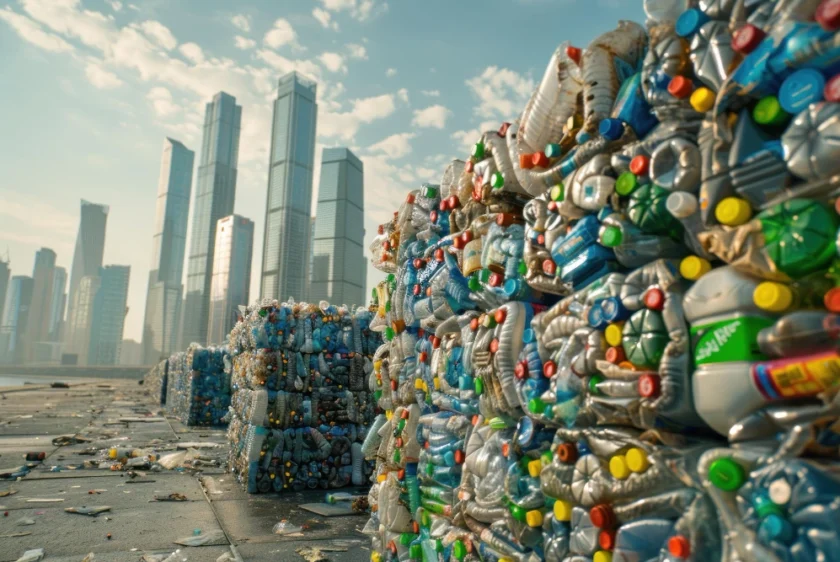
Recycling Plastic Waste in Qatar: Challenges, Solutions, and the Way Forward
Plastic waste has become one of the most pressing environmental challenges worldwide, and Qatar is no exception. With rapid urbanization, population growth, and increased consumption, plastic waste generation in Qatar has risen significantly over the past decade. Recycling plastic waste in Qatar is no longer just an environmental responsibility—it is a necessity for sustainable development and long-term ecological balance.
As a professional waste management company in Qatar, Shalimar plays a vital role in supporting responsible plastic waste collection, segregation, and recycling solutions for residential, commercial, and industrial sectors.
The Growing Problem of Plastic Waste in Qatar
Qatar’s lifestyle, construction boom, and high consumer demand contribute heavily to plastic waste. Single-use plastics such as bottles, packaging materials, food containers, and shopping bags account for a large percentage of total waste.
Key contributors to plastic waste include:
- Residential households
- Commercial establishments (hotels, malls, restaurants)
- Construction and industrial sectors
- Events and public gatherings
Without proper recycling systems, plastic waste often ends up in landfills, increasing environmental pollution and threatening marine life and ecosystems.
Why Recycling Plastic Waste in Qatar Is Important
1. Environmental Protection
Plastic takes hundreds of years to decompose. Recycling reduces landfill dependency and prevents plastics from polluting land and sea environments.
2. Conservation of Natural Resources
Recycling plastic reduces the need for virgin raw materials such as petroleum, helping conserve natural resources.
3. Supporting Qatar National Vision 2030
Qatar’s sustainability goals emphasize waste reduction, recycling, and environmental preservation. Recycling plastic waste in Qatar aligns directly with these national objectives.
4. Reducing Carbon Footprint
Recycling plastic consumes less energy compared to producing new plastic, helping reduce greenhouse gas emissions.
Types of Plastic Waste Commonly Recycled in Qatar
Not all plastics are the same. The most commonly recyclable plastics in Qatar include:
- PET bottles (water and soft drink bottles)
- HDPE containers (detergent and milk bottles)
- Plastic packaging materials
- Industrial plastic waste
- Plastic drums and containers
Professional waste management companies like Shalimar ensure that plastic waste is properly sorted and processed according to recycling standards.
Challenges in Recycling Plastic Waste in Qatar
Despite increasing awareness, several challenges still affect plastic recycling in Qatar:
1. Lack of Proper Segregation
Mixing plastic waste with organic and general waste reduces recycling efficiency.
2. High Use of Single-Use Plastics
Convenience culture has led to excessive plastic usage.
3. Limited Public Awareness
Many residents and businesses are unaware of proper recycling methods and guidelines.
4. Contamination of Plastic Waste
Food residue and improper disposal make plastic recycling more difficult.
Solutions for Effective Plastic Waste Recycling
1. Waste Segregation at Source
Separating plastic waste at the point of disposal is the first and most crucial step. Color-coded bins and clear labeling help improve segregation.
2. Professional Waste Collection Services
Partnering with licensed waste management companies ensures proper collection, transportation, and recycling of plastic waste.
3. Recycling Awareness Programs
Educational campaigns for households, schools, and businesses can significantly improve recycling participation.
4. Corporate Responsibility
Businesses can reduce plastic waste by switching to reusable packaging and implementing internal recycling programs.
Role of Waste Management Companies in Qatar
Waste management companies play a critical role in enabling recycling plastic waste in Qatar. From collection and sorting to processing and recycling, professional providers ensure compliance with environmental regulations and best practices.
Shalimar supports:
- Residential plastic waste collection
- Commercial and industrial plastic waste recycling
- Environmentally responsible disposal methods
- Customized waste management plans
By working with experienced waste management partners, organizations can significantly reduce their environmental impact.
Government Regulations and Sustainability Initiatives
The Qatari government actively promotes recycling and waste reduction through regulations and sustainability initiatives. Authorities such as the Ministry of Municipality and Environment (MME) encourage recycling practices across the country.
These initiatives support waste reduction, recycling infrastructure, and private-sector participation in sustainable waste management.
How Businesses Can Support Plastic Recycling in Qatar
Businesses across Qatar can take practical steps to support recycling efforts:
- Conduct regular waste audits
- Install plastic-only recycling bins
- Partner with licensed waste management companies
- Train employees on waste segregation
- Reduce dependency on single-use plastics
Such steps not only support the environment but also improve corporate sustainability credentials.
The Future of Plastic Waste Recycling in Qatar
With advancements in recycling technology, increased awareness, and stronger regulations, the future of recycling plastic waste in Qatar looks promising. Smart waste management systems, improved recycling facilities, and public-private partnerships are expected to enhance recycling efficiency in the coming years.
Companies like Shalimar will continue to play a key role in shaping a cleaner, greener, and more sustainable Qatar.
Conclusion
Recycling plastic waste in Qatar is essential for environmental protection, resource conservation, and sustainable development. While challenges remain, effective waste segregation, professional waste management services, and public awareness can make a significant difference.By choosing responsible waste management partners like Shalimar, individuals and businesses can actively contribute to reducing plastic pollution and supporting Qatar’s sustainability vision.


