
Food Waste Management in Qatar | Challenges, Solutions & 2026 Updates
Food Waste Management in Qatar has become one of the country’s biggest environmental priorities. With rapid urban growth, a booming hospitality sector, and one of the highest food import rates in the world, Qatar faces increasing pressure to handle food waste responsibly. Every plate of wasted food represents wasted money, wasted resources, and increased carbon emissions — making proper waste management essential for the nation’s sustainability goals.
To support Qatar National Vision 2030, both government authorities and private companies such as Shalimar Transport Qatar are leading the movement toward smarter, cleaner, and more sustainable waste disposal methods.
This blog explores Qatar’s food waste challenges, current systems, future solutions, and what new changes you can expect in 2026.
1. Understanding the Growing Food Waste Challenge in Qatar
Qatar imports more than 90% of its food. When this food is wasted, the country loses not just the food itself, but also the:
- Transportation cost
- Storage and refrigeration energy
- Packaging materials
- Hard-earned money
Why food waste is increasing in Qatar:
- Hospitality sector expansion — Hotels, restaurants, and catering companies generate huge amounts of daily food waste.
- Buffet culture — Large-scale events, gatherings, and celebrations often result in over-prepared food.
- Household waste — Overbuying, improper storage, and poor meal planning.
- Commercial waste — Cafeterias, supermarkets, and catering services discard unsold or expired food regularly.
Because of these factors, effective Food Waste Management in Qatar has moved from being a small environmental concern to a national priority.
2. Environmental Impact of Food Waste
When food waste ends up in landfills, it creates multiple environmental hazards:
a) Methane Emissions
Food waste decomposes and releases methane — a greenhouse gas far more dangerous than CO₂.
b) Landfill Overload
Organic waste contributes heavily to landfill volume, putting pressure on Qatar’s waste disposal infrastructure.
c) Wasted Resources
Every wasted meal represents wasted water, energy, transportation, and packaging.
d) Climate Impact
Improper disposal increases carbon footprint and affects Qatar’s climate goals under Vision 2030.
3. How Food Waste is Managed in Qatar (Current System)
Qatar follows a structured waste management process designed to reduce waste and improve recycling.
a) Source Segregation
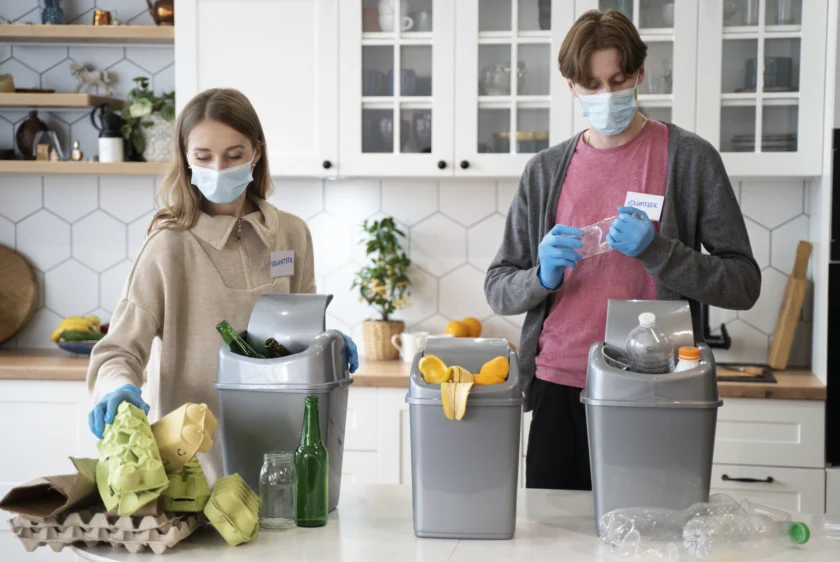
Homes, restaurants, and hotels separate food waste from general waste — making composting easier.
b) Organic Waste Collection & Transport
Licensed companies like Shalimar Transport collect organic waste using sealed, hygienic vehicles and transport it safely.
c) Composting & Organic Recycling
Food waste is turned into compost used for farms, landscaping, and soil improvement.
d) Waste-to-Energy Systems
Qatar continues to invest in energy recovery technologies such as biogas production and anaerobic digestion.
4. Government Initiatives Supporting Food Waste Management in Qatar
The Ministry of Municipality (MoM) and other authorities are pushing several sustainability programs:
- Public awareness campaigns
- Waste segregation guidelines
- Support for composting
- Food safety and storage awareness
- Large-scale waste-to-energy investments
All these initiatives align with the Qatar National Vision 2030 sustainability pillars.
5. How Businesses Can Reduce Food Waste
Hotels, restaurants, catering companies, and supermarkets can make a big impact by:
- Tracking food usage
- Training staff on segregation
- Using digital meal-planning tools
- Donating excess food
- Partnering with licensed waste management companies
Small improvements can lead to massive reductions in food waste.
6. Benefits of Proper Food Waste Management in Qatar
Environmental Benefits
- Reduced methane emissions
- Lower landfill volume
- Cleaner environment
Economic Benefits
- Lower waste disposal costs
- Better resource efficiency
- Reduced financial loss from over-importing food
Social Benefits
- Less food insecurity
- Increased awareness
- More responsible consumption
7. Food Waste Management in Qatar: What’s Coming in 2026 (New Updates)
2026 is expected to bring major improvements to Qatar’s waste management sector. Here’s what’s coming:
1. Expansion of Waste-to-Energy Plants
Qatar is expected to scale up biogas and anaerobic digestion facilities, converting food waste into clean energy.
2. Mandatory Segregation for Commercial Kitchens
Restaurants, hotels, and food industries may soon be required to maintain food waste logs and separate organic waste more strictly.
3. Smart Waste Monitoring Systems
More businesses will adopt IoT-enabled smart bins, sensors, and AI-based tracking to minimize food waste.
4. Stronger Food Donation Policies
Food donation networks will expand with new guidelines, making it easier for businesses to donate safely.
5. National Compost Expansion
More composting centers will support the country’s landscaping and agricultural needs.
6. Household Awareness Push
MoM may launch new campaigns promoting mindful food buying, meal planning, and storage practices.
7. Improved Regulations for Waste Transport Companies
Licensed companies like Shalimar Transport will follow stricter standards for hygiene, GPS tracking, and reporting.
Conclusion
Food Waste Management in Qatar is not just a government responsibility — it’s a collective mission. Whether you’re a household, a restaurant, a hotel, or a commercial business, every step taken toward reducing food waste contributes to a greener and more sustainable Qatar.
With strong government support, advanced recycling technologies, and professional waste handling by companies like Shalimar Transport, Qatar is moving rapidly toward a smarter, cleaner, and more efficient waste management system.
As 2026 approaches, the country is prepared for major upgrades that will transform the way food waste is collected, processed, and reused — securing a healthier environment for future generations. reliable service, and a commitment to quality, Al Maftol Qatar remains one of the most trusted HVAC providers in the country.


